
How Iboga Differs From Other Psychedelics: A Complete Guide
Meta Title: How Iboga Differs From Other Psychedelics: Effects, Benefits, and Risks
Meta Description: Discover how iboga differs from other psychedelics such as psilocybin, ayahuasca, LSD, and DMT. Learn about its unique effects, duration, risks, and traditional uses.
How Iboga Differs From Other Psychedelics
Psychedelic substances have gained global attention for their potential therapeutic and spiritual applications. While compounds such as psilocybin mushrooms, LSD, ayahuasca, and DMT are widely discussed, iboga remains one of the most unique and misunderstood psychoactive plants.
Native to Central Africa, iboga has been used for centuries in spiritual and ceremonial practices. Today, researchers and practitioners are increasingly interested in its potential role in addiction treatment and personal transformation. But what exactly makes iboga different from other psychedelics?
This guide explores the major differences between iboga and other psychedelic substances.
What Is Iboga?
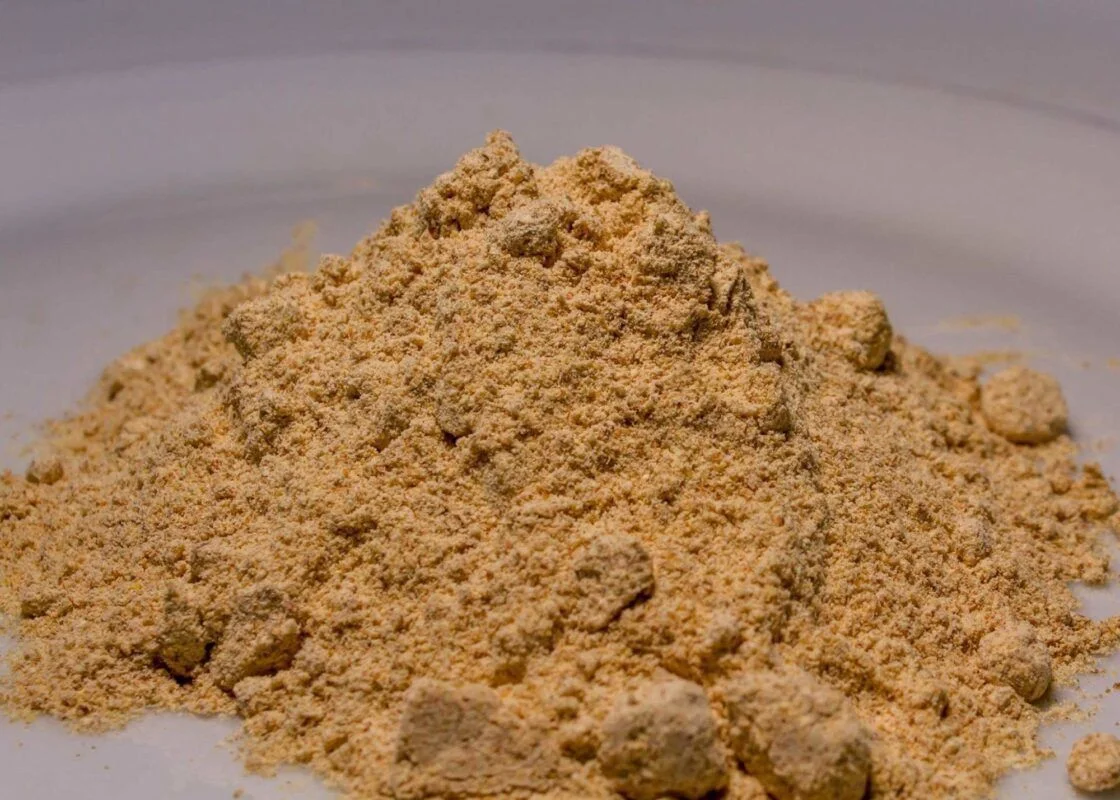
Iboga is a shrub native to Central Africa. The root bark contains ibogaine, a naturally occurring psychoactive alkaloid responsible for many of the plant’s effects.
Traditionally, iboga has been used in initiation ceremonies and spiritual practices, particularly within the Bwiti tradition. Unlike many modern psychedelics, iboga combines physical, psychological, and introspective effects that can last much longer than most psychedelic experiences.
1. Iboga Lasts Much Longer
One of the most noticeable differences between iboga and other psychedelics is the duration.
| Substance | Average Duration |
|---|---|
| Psilocybin mushrooms | 4–6 hours |
| LSD | 8–12 hours |
| Ayahuasca | 4–8 hours |
| DMT | 15–30 minutes |
| Iboga | 12–36 hours |
An iboga experience often unfolds in multiple stages, including visual experiences, deep introspection, and a prolonged period of reflection.
Because of its long duration, iboga experiences typically require extensive preparation and supervision.
2. Iboga Is Often Described as Introspective Rather Than Recreational
Many psychedelics are associated with enhanced sensory experiences, feelings of connection, or visual effects. Iboga is often described differently.
Users frequently report:
- Reviewing past memories.
- Examining personal behaviors.
- Reflecting on life decisions.
- Confronting emotional challenges.
- Experiencing vivid dream-like sequences.
Rather than producing a euphoric or recreational experience, iboga is often viewed as deeply introspective and demanding.
3. The Physical Effects Are More Pronounced
Iboga produces physical effects that differ from many other psychedelics.
Commonly reported effects include:
- Reduced mobility.
- Nausea.
- Fatigue.
- Loss of coordination.
- Increased sensitivity to movement.
Because of these physical effects, individuals are often encouraged to remain resting during the experience.
4. Iboga Is Closely Associated With Addiction Recovery
Unlike many psychedelics that are primarily studied for depression, anxiety, or spiritual exploration, ibogaine has attracted attention for its potential role in addiction treatment.
Researchers have investigated ibogaine for:
- Opioid dependence.
- Alcohol use disorders.
- Stimulant addiction.
- Behavioral addictions.
Although research continues, iboga’s association with addiction recovery makes it unique among psychedelic substances.
5. Iboga Carries Significant Medical Risks
Safety is one of the most important differences between iboga and other psychedelics.
Iboga can affect heart rhythm and may pose serious risks for certain individuals. Medical screening is considered essential before use.
Potential concerns include:
- Cardiac complications.
- Drug interactions.
- Pre-existing medical conditions.
- Risks associated with unsupervised use.
Compared to substances such as psilocybin, iboga generally requires greater medical caution.
6. Iboga Has Deep Cultural and Spiritual Roots
Iboga has been used for generations within Central African spiritual traditions.
Ceremonial use often involves:
- Initiation rituals.
- Spiritual guidance.
- Community participation.
- Traditional teachings.
- Ancestral connections.
Understanding these cultural origins helps provide important context for iboga’s modern use.
Iboga vs. Other Psychedelics
Iboga vs. Psilocybin
Psilocybin often produces emotional openness, visual effects, and feelings of connection. Iboga tends to focus more heavily on introspection and personal reflection.
Iboga vs. Ayahuasca
Both substances have ceremonial traditions and profound psychological effects. However, iboga experiences generally last longer and may involve more sustained self-examination.
Iboga vs. LSD
LSD primarily alters perception, cognition, and sensory experiences. Iboga experiences are often described as more structured, reflective, and physically demanding.
Iboga vs. DMT
DMT experiences are typically brief and intensely visual. Iboga experiences can extend over an entire day and involve prolonged introspection.
Frequently Asked Questions
Is iboga stronger than other psychedelics?
Iboga is not necessarily stronger, but it is often considered more intense because of its duration, physical effects, and psychological depth.
Is iboga legal?
The legal status of iboga and ibogaine varies by country. Regulations differ significantly around the world.
Can iboga be used recreationally?
Iboga is generally not considered a recreational psychedelic. Many individuals describe it as physically challenging and emotionally demanding.
Why is iboga unique?
Its long duration, introspective nature, potential role in addiction treatment, and strong cultural roots distinguish iboga from many other psychedelic substances.
Final Thoughts
Iboga occupies a unique place within the world of psychedelics. Unlike substances primarily associated with visual effects or recreational use, iboga is often characterized by prolonged introspection, significant physical effects, and a strong connection to traditional spiritual practices.
As interest in psychedelic therapies continues to grow, understanding how iboga differs from other psychedelics can help people make informed decisions and appreciate the cultural and historical significance of this remarkable plant.
SEO Keywords: iboga vs psychedelics, how iboga differs from other psychedelics, iboga effects, iboga vs ayahuasca, iboga vs psilocybin, iboga vs LSD, iboga treatment, ibogaine benefits, iboga experience.